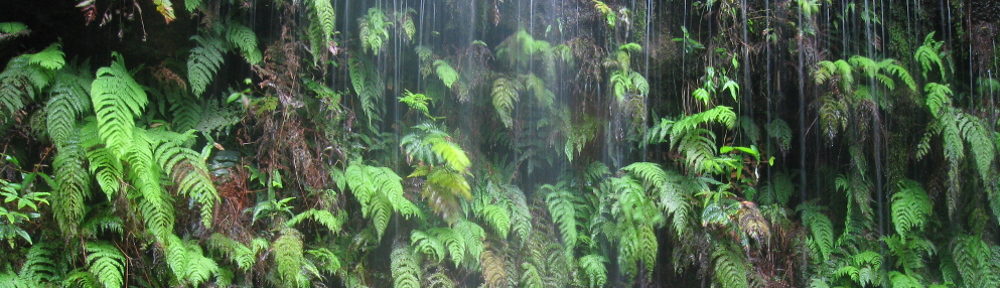
Can psychedelic experiences enhance our connection to nature? So far, the evidence is a resounding ‘yes’, and some philosophers suggest that careful administration of psychedelics could be a valuable way to catalyse the development of environmental virtues (Kirkham & Letheby. 2022).
‘Nature connectedness’ is much more than simply spending time in the park: It measures how strongly a person identifies with nature and can be defined as a sense of ‘oneness with the natural world’ (Mayer and Frantz, 2004). Nature connectedness is very beneficial for humans; it helps give our lives a deeper sense of meaning and supports personal growth. People who deeply appreciate our connection to the wider natural world are more likely to protect it. So nature connectedness isn’t just good for us; it’s good for the planet.

I often saw evidence of a deeper nature connection in my work on psilocybin retreats, and that’s been backed up by the research (Gandy et al., 2020). There’s some evidence that psilocybin is especially powerful in this regard and can elicit robust and sustained increases in nature connectedness (Forstmann et al., 2003). Psychedelic experiences and nature connection are woven together like threads in a tapestry. The weave is tight, but I’ll tease out a few of those threads.
Both psychedelic experience and nature connection can catalyse feelings of awe and increase our capacity for mindfulness. Many Indigenous peoples use psychedelics as a sacrament. In most cases, they are animists with a profound respect for the more-than-human world. Robert Greenway is a pioneer ecopsychologist who used to take people on ‘wilderness’ treks. After many years of leading these adventures, Greenway concluded that extended time in nature could engender an altered state that closely parallels the psychedelic experience. There are several aspects to this altered state, but fundamentally it involves “feelings of expansion or reconnection”, which Greenway unhesitatingly describes as “spiritual” (Greenway, 1995). (See The Wilderness Effect).
A pattern is emerging in this tapestry; connectedness. In my recent interview with Sam Gandy, he suggested that we can see “connectedness itself being a fundamentally interconnected or interwoven construct” and that cultivating nature connectedness can deepen connectedness to self, others and the wider world (Embodied Pathways).
It’s quite common for people to have mystical experiences while using psychedelics, and nature mysticism is ancient and global. Are they the same? It seems so: Feelings of interconnectedness, unity, sacredness, and a transcendence of time and space characterise mystical experiences emerging from both psychedelics and nature connection.
“To see a World in a Grain of Sand
And a Heaven in a Wild Flower,
Hold Infinity in the palm of your hand
And Eternity in an hour”.
William Blake, Auguries of Innocence
I would quote Blake’s words in the introduction to the nature connection exercise I used to lead at psychedelic retreats. They are a perfect example of nature mysticism and could also speak of aspects of the psychedelic experience.
The conversation about psychedelics and nature connectedness is ongoing and may be crucial in these times of climate crisis. If you’d like an accessible deep dive into this fascinating subject, listen to my interview with Sam Gandy on Embodied Pathways.
